


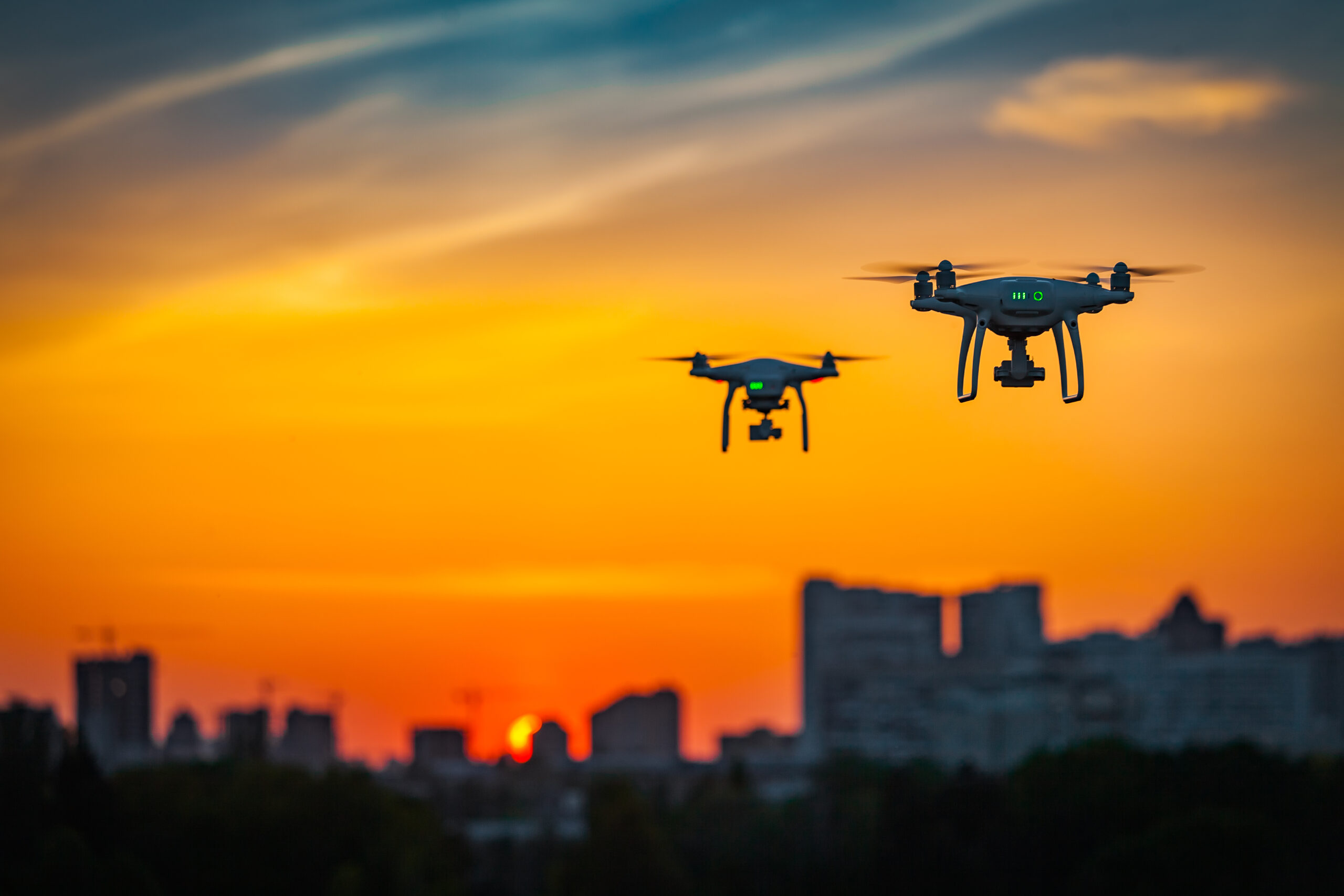
In recent years, drones have transformed the world of photography and videography, making it easier than ever to capture stunning aerial shots. From breathtaking landscape images to dynamic action sequences in blockbuster films, drones have pushed creative boundaries in once unimaginable ways. These compact, high-tech flying devices allow photographers and videographers to access vantage points that were previously limited to helicopters or cranes, bringing a new dimension to storytelling.
At Bomran, we specialise in cutting-edge drone technology, helping photographers, videographers, and industry professionals find the perfect drone for their needs. Whether you’re a filmmaker looking to capture sweeping cinematic shots or a real estate agent wanting to showcase properties from above, our range of high-quality drones provides the tools you need to take your content to the next level. Explore our full selection here, and let us help you elevate your creativity.
The Impact of Drones on Modern Photography & Videography
Drones have revolutionised the way photographers and videographers work, offering a unique combination of flexibility, affordability, and creative freedom. Let’s dive into some of the key ways drones are making an impact.
Unlocking New Perspectives
One of the biggest advantages of drone technology is the ability to capture unique angles and perspectives. Traditional photography is often limited by ground-level viewpoints, but drones open up a whole new world of creative possibilities. From sweeping aerial shots of vast landscapes to overhead views of cityscapes, drones enable photographers to explore vantage points that were previously impossible. The ability to shoot from great heights, hover over water, or glide smoothly over rugged terrain creates visually stunning compositions that captivate audiences.
Cost-Effective Aerial Imaging
Before drones became widely available, aerial photography and videography required hiring helicopters, planes, or expensive camera rigs. This made it inaccessible for most independent photographers and small businesses. Now, drones provide a far more cost-effective solution for capturing high-quality aerial footage. With the right drone, anyone can create professional-grade aerial shots without breaking the bank. Whether you’re a travel blogger capturing breathtaking views of the coastline or a wedding videographer filming a grand outdoor ceremony, drones allow you to achieve spectacular results without the massive overhead costs.
Enhancing Storytelling in Filmmaking
Drones have become indispensable tools in the film industry, helping directors and cinematographers execute complex, cinematic shots with ease. Whether it’s an action-packed chase scene, a dramatic reveal, or an establishing shot that sets the mood, drones have added an entirely new dimension to visual storytelling. Many major film productions now use drones to replace traditional cranes and dolly tracks, allowing for smoother, more dynamic camera movements. The ability to program drones to follow specific flight paths also enables filmmakers to achieve incredibly precise shots that were once only possible with large production budgets.
Expanding Drone Use in Commercial Industries
While drones are a game-changer for creative professionals, their impact extends beyond photography and videography. Industries such as real estate, agriculture and construction have adopted drones to streamline their operations and improve efficiency.
- Real Estate Marketing
Real estate agents use drones to capture aerial views of properties, giving potential buyers a more immersive experience. Drone footage showcases properties in their entirety, highlighting the surrounding landscape, neighbourhood, and amenities.
- Agriculture & Land Surveying
Farmers and land surveyors use drones for crop monitoring, land mapping, and livestock tracking. Drones equipped with infrared sensors can assess plant health and optimise farming practices.
- Construction & Infrastructure
Drones are used in construction for site inspections, progress monitoring, and safety assessments. They help identify potential hazards, measure land accurately, and improve project management.
Supporting Conservation & Environmental Efforts
Drones are also playing a key role in wildlife conservation and environmental protection. Conservationists use drones to monitor endangered species, map deforestation, and track illegal activities. Since drones can cover vast areas quickly and with minimal disturbance, they provide an efficient way to collect essential data for environmental research. In addition, drones equipped with thermal imaging cameras have been used to monitor wildlife populations at night, enabling researchers to gather valuable insights into animal behaviour without disturbing their natural habitats. Whether it’s tracking sea turtles along the coast or studying the impact of climate change on polar ice caps, drones are proving to be powerful tools for environmental science.
Revolutionising Live Event Coverage
Another exciting application of drones in photography and videography is their increasing use in live event coverage. Concerts, festivals, sports events, and even political rallies now frequently use drones to provide audiences with stunning aerial views and real-time broadcasts. Drones capture wide, sweeping shots of stadiums, track performers from above, and even follow athletes during races or extreme sports competitions. They bring an immersive experience to viewers watching from home, offering perspectives that traditional ground cameras simply can’t achieve.
Drones have not only redefined photography and videography but have also become essential across multiple industries, from filmmaking to conservation efforts. Their ability to capture stunning visuals, reduce costs, and increase efficiency has made them a game-changer in creative and commercial fields alike. As technology continues to evolve, drones will only become more advanced, making aerial imaging more accessible and powerful than ever. Whether you’re a professional filmmaker, a real estate agent, or an environmental researcher, drones offer limitless possibilities for capturing the world in ways we never thought possible. View our full Drone range here!
Things To Consider For Drone Photography & Videography
If you’re looking to get started with drone photography and videography, there are several key factors to consider. While drones offer incredible opportunities, using them effectively requires careful planning and skill development.
Understanding Drone Regulations
Before you take flight, it’s essential to familiarise yourself with local drone laws and regulations. In the UK, drones must comply with the Civil Aviation Authority (CAA) rules, which include:
- Keeping drones within visual line of sight.
- Avoiding restricted areas such as airports and military bases.
- Following altitude restrictions (usually a maximum of 120 metres (400 feet) above ground level).
- Registering drones that weigh over 250g and passing a flyer ID test.
- Understanding these regulations helps ensure safe and legal drone operation while preventing potential fines or penalties.
Choosing the Right Drone for Your Needs
Not all drones are created equal, and selecting the right one depends on your specific goals. Consider factors such as:
- Camera Quality – Look for drones with high-resolution cameras and stabilisation features to capture sharp, clear footage.
- Flight Time – Battery life varies between models, with most drones offering between 20–45 minutes per charge.
- Portability – If you plan to travel with your drone, choose a lightweight, foldable model that’s easy to carry.
At Bomran, we offer a wide selection of drones suited for various skill levels and purposes. Browse our collection here.
Mastering Drone Flight Controls
Piloting a drone requires practice, especially if you’re aiming to capture smooth, cinematic shots. Before shooting professional footage, spend time learning:
- Basic takeoff and landing techniques.
- How to control speed and direction smoothly.
- Using GPS and stabilisation features for better control.
Bomran’s Top Tips for Drone Photography & Videography
Here are some expert tips from Bomran to help you get the most out of your drone photography and videography experience:
- Use Natural Lighting to Your Advantage
The best times for drone photography are golden hour (shortly after sunrise and before sunset). The soft, diffused light during these times enhances the colours and textures of landscapes, avoiding harsh shadows and overexposed highlights.
- Experiment with Different Camera Angles
Don’t just shoot from high altitudes—try low-flying close-ups, tilted angles, and tracking shots to create more dynamic compositions. Mixing up your shots adds variety to your footage.
- Maintain a Safe Distance from Obstacles
Avoid flying your drone too close to buildings, trees, or power lines. Even with obstacle-avoidance technology, accidents can happen. Always plan the flight path your drone will take in advance.
- Keep Extra Batteries on Hand
A drone’s battery life is limited, so having spare batteries allows you to extend your shooting time and avoid missing crucial moments. It’s also wise to carry a portable charger or power bank to recharge batteries while on the go, ensuring you never run out of power mid-flight.
Mastering drone photography takes practice, patience, and creativity. By following these tips, you’ll not only improve the quality of your shots but also make the most of your drone’s capabilities. With the right approach, the sky is truly the limit!
Soaring to New Creative Heights
Drones have unlocked endless creative possibilities for photographers, videographers, and businesses alike. With the right drone and a little skill, you can capture breathtaking shots that enhance your storytelling, showcase stunning landscapes, and elevate your content to new heights. Whether you’re filming a cinematic masterpiece, marketing a property, or simply exploring the skies, drones provide an unparalleled toolset for creativity and innovation. Take your photography and videography to the next level with Bomran because the sky is just the beginning!
At Bomran, we provide high-quality drones tailored to your specific needs. Whether you’re a professional filmmaker looking for advanced features or a beginner searching for an easy-to-use model, we have the perfect drone for you. Our expert team is always on hand to offer advice and help you choose the ideal drone for your next project. Check out our full range of drones here, or get in touch for personalised recommendations.
FAQs
Do I need a licence to fly a drone in the UK?
For recreational use, you must register with the CAA (Civil Aviation Authority) if your drone weighs over 250g. Commercial drone pilots may need operational authorisation, depending on their activities.
What is the best drone for beginners?
For beginners, we recommend drones with built-in stabilisation, easy flight controls, and automatic return-to-home features. Models like the DJI Mini series are perfect for those just starting out.
How high can I legally fly my drone?
In the UK, the maximum legal altitude for drone flights is 120 metres (400 feet) above ground level.
What happens if my drone goes out of range?
Most modern drones are equipped with fail-safe return-to-home (RTH) functions, meaning they will automatically fly back to their takeoff location if they lose connection with the controller.
Can I fly my drone at night?
Yes, you can legally fly drones at night in the UK, but you must have adequate lighting on the drone to maintain visual line of sight and comply with safety regulations.
How can I make my drone footage look more cinematic?
To create cinematic drone footage, consider:
- Shooting at 24 or 30fps for smoother motion.
- Using slow, controlled movements rather than rapid direction changes.
- Adjusting shutter speed (use the 180-degree rule: shutter speed should be double the frame rate).
- Incorporating different angles (low tracking shots, overhead reveals, and orbits).
How long does a drone battery last?
Battery life varies depending on the model, but most drones offer between 20 to 45 minutes of flight time per battery. To extend shooting sessions, always carry spare batteries.
Can drones be used for live streaming?
Yes, many drones, such as the DJI Air series and DJI Mavic series, offer live-streaming capabilities, allowing users to broadcast directly to platforms like YouTube and Facebook.
Are there weather conditions that affect drone performance?
Yes! Wind, rain, and extreme temperatures can impact flight stability and battery life. It’s best to fly in calm weather with minimal wind for smooth footage and safe operation.
What is the best way to store and transport a drone?
To protect your drone:
- Use a padded carrying case to prevent damage.
- Remove the propellers when transporting.
- Store batteries at around 50% charge for long-term storage to prolong battery life.
Ready to take your photography to new heights?
Whether you’re a hobbyist or a professional, Bomran has the perfect drone for you. Explore our selection today and start capturing stunning aerial imagery like never before.

