


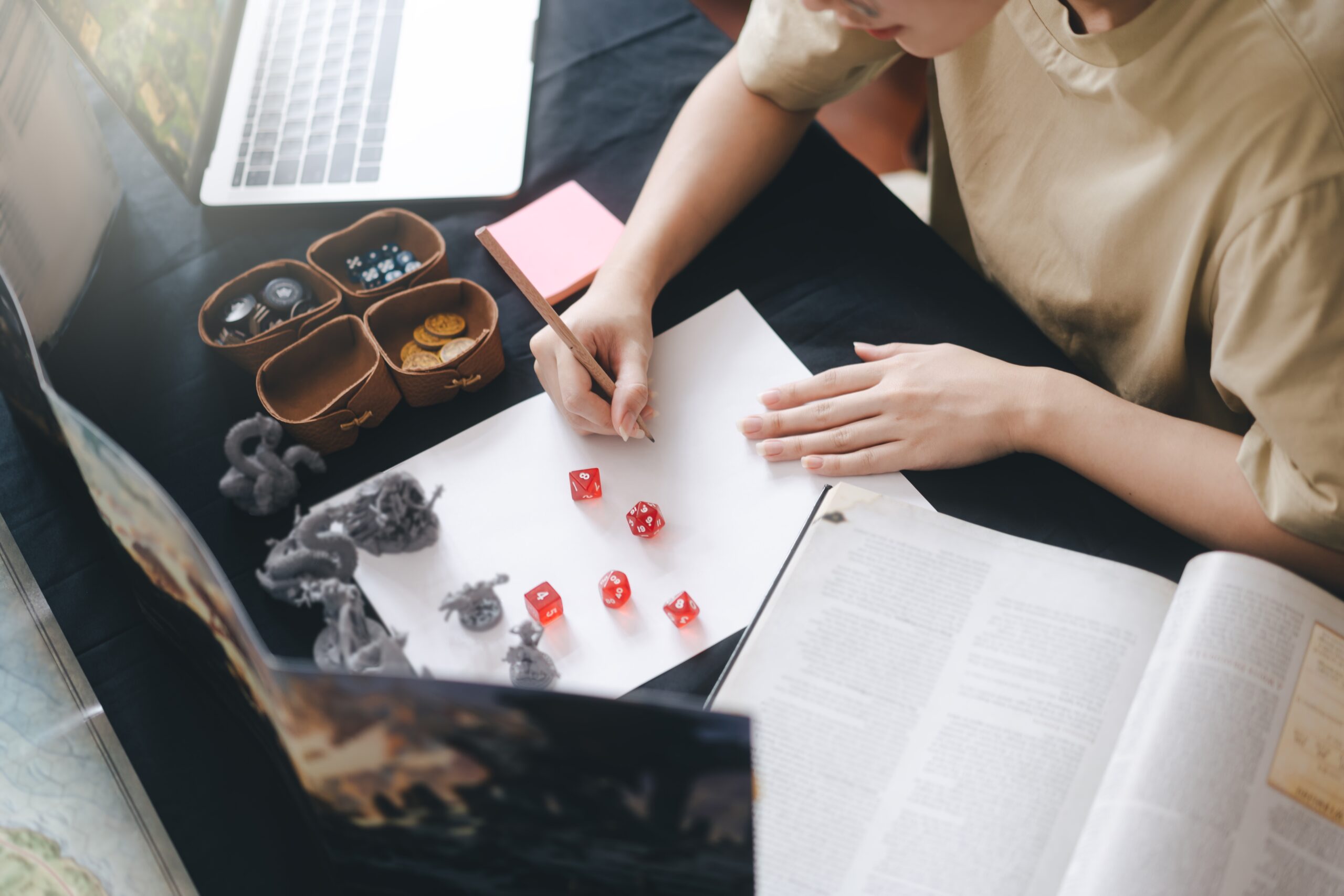
Have you dreamed of creating epic tales? Do you want to battle fierce dragons and enemies? Or perhaps you want to embark on daring quests? What if you could do it all from the comfort of your home? If any of this appeals, then hosting a Dungeons & Dragons game night is your next great adventure. Whether you’re an expert Dungeon Master (DM) or just stepping into the storytelling role, this guide is here to equip you with everything you need to host a successful game night.
Here at Bomran, we specialise in bringing the magic of tabletop roleplaying games to players across the UK. From premium dice sets to game mats and miniatures, we’ve got you covered for every D&D session. So, let’s explore how you can host a successful DnD game night with our top tips for Dungeon Masters! Visit our D&D shop and discover the exciting world of Dungeons & Dragons!
What does a Dungeon Master do?
A Dungeon Master (or DM) is the heart and soul of a D&D game. The DM’s role goes far beyond simply being the game’s referee, they are the storyteller, the guide, the narrator and the driving force behind each campaign. Simply put, a Dungeon Master is the one responsible for shaping the world in which the adventure takes place. Being a Dungeon Master is a challenging, but immensely rewarding, role. Here are some of the key responsibilities you’ll take on as a Dungeon Master…
Creating the World
The first and most obvious responsibility is to create the world in which the game takes place. This could be a pre-existing world from official D&D campaigns, or it could be one of your own designs.
You will need to consider the geography of your world, the cultures and people who inhabit it, the economy and politics, and even the history. Remember, the world you create should inspire adventure. The challenge is making it detailed enough to be believable, but flexible enough to allow for improvisation when players inevitably take unexpected turns.
Planning the Storyline
While your players will certainly have a hand in shaping the plot through their decisions, it’s the Dungeon Master who needs to come up with the backbone of the story. This could be a pre-made campaign or it could be an entirely original plot. Either way, it’s essential to have an overarching storyline in place. That storyline could be as straightforward as rescuing a princess from a dragon or as complex as unravelling a series of political injustices in a bustling urban city. Regardless of the plot, your role is to keep the story moving forward while allowing the players to explore.
Determine the Rules
Dungeons & Dragons is a game with a lot of rules including combat mechanics, skill checks, saving throws and so on. As the Dungeon Master, you’ll be responsible for adjudicating those rules and making sure the game runs smoothly. While it’s not necessary to memorise every rule, you’ll need to be comfortable referencing the Player’s Handbook or other rulebooks when the situation arises. Being flexible and interpreting the rules in a way that enhances the experience is one of the hallmarks of a great Dungeon Master.
Control NPCs & Enemies
NPCs are vital to any D&D game. As the Dungeon Master, you are responsible for voicing and embodying every NPC the players encounter, from minor shopkeepers to ferocious villains. This is where your creativity comes into play as each NPC must have a distinct personality, motivations and backstory to make them feel alive and interactive. Similarly, enemies and monsters are also under the DM’s control. Combat is often one of the most exciting parts of D&D, and it’s up to you to ensure that it’s both challenging and fun.
Foster Player Engagement
One of the most important aspects of being a Dungeon Master is keeping your players engaged. D&D is a collaborative game, and a good DM knows how to make each player feel like they’re an essential part of the story. Make sure to give each character their time in the spotlight and provide opportunities for players to roleplay and develop their characters. When a player isn’t involved in the action, it’s easy for them to lose focus. Keep your players engaged by asking them questions, prompting them to act, and giving them challenges that reflect their strengths and weaknesses.
Be Adaptable & Flexible
No matter how well you plan, your players will almost always throw a wrench into your plans. Perhaps they’ll ignore a carefully crafted plot hook, or maybe they’ll take an unexpected route entirely. The key to being a great Dungeon Master is being able to change the story as things progress. Improvisation is a big part of being a DM, and learning how to quickly adjust the story and narrative to fit the players’ actions is essential. Even when things go off-script, the ability to make the world feel reactive and alive is what truly makes a campaign memorable.
How to Host a Successful DnD Game Night: Tips for Dungeon Masters
Know Your Players
Before you even begin, take the time to understand your players. Do they enjoy in-depth roleplay or are they more focused on combat? Are they likely to try something ridiculous or take everything seriously? Knowing their play styles allows you to tailor the game to suit the group’s preferences.
Ask your players about their character backstories, interests and motivations. Are there any personal goals or hidden desires that you can weave into the plot? Tailoring the campaign to meet the desires of your players ensures everyone feels invested and excited to play.
Preparation is Key
While improvisation is an essential skill for a Dungeon Master, being prepared is equally important. Ensure you have all your materials ready before the game starts. This includes character sheets, dice, maps and miniatures. If you’re using a pre-made campaign, read through the material and familiarise yourself with the main plot points, NPCs and important locations.
For original campaigns, make sure you have enough content prepared to keep the session moving. It’s often a good idea to have a few potential side quests or encounters ready in case your players veer off-course. The more prepared you are, the smoother the game will run.
Set the Scene
Creating an immersive environment is essential to getting your players in the right headspace for the game. Dim the lights, play some atmospheric background music and make sure your space is comfortable for everyone. You can even create props, such as handouts or maps, to enhance the game’s immersion.
If you’re playing virtually, there are many tools available for creating digital maps and environments. Visual aids, like maps, pictures, or even just thematic music, can help bring the world to life and set the tone for the game.
Encourage Roleplay
Roleplaying is the heart of Dungeons & Dragons. Encourage your players to get into character by asking them questions and prompting them to describe their actions. Encourage them to think about how their character would act in any given situation and make decisions based on their motivations.
If a player feels shy about roleplaying, give them some encouragement. You can do this by offering suggestions or playing your own NPCs with enthusiasm. Lead by example and show that it’s okay to be silly or dramatic – it’s all part of the fun!
Keep the Game Moving
While it’s important to give your players time to roleplay and explore, don’t let the game drag. If the group gets stuck in a situation for too long, offer a hint or a prompt to keep things moving. Likewise, avoid letting combat go on too long, ensure that players can strategise, but keep things flowing so that everyone stays engaged.
Always remember that the players’ time is valuable. They’ve come to the game to have fun, not to watch the clock tick away. The faster the game moves, the more excitement it will generate.
Balance Challenges
Combat is fun, but it’s important not to overdo it. Ensure that your game has a balance of combat, exploration, roleplaying and more. Too much combat can tire players out, while too little can make the game feel unbalanced.
Similarly, make sure that the challenges presented to players are fair. If the group constantly finds themselves overwhelmed by enemies or puzzles, it can lead to frustration. On the other hand, if the game is too easy, it risks becoming dull. Be mindful of your group’s abilities and pace, adjusting the difficulty as needed.
Be Flexible
Sometimes, your carefully planned campaign will take an unexpected turn. Embrace it! Dungeons & Dragons is all about improvisation, and the best moments often arise from unplanned events. Adapt the narrative to include new elements and let the players have fun exploring the world in their own way.
This flexibility ensures the game remains dynamic and exciting, allowing players to feel like their decisions truly matter in shaping the story. Whether they uncover an ancient secret or stumble upon an entirely new adventure, welcome the surprises that come your way. The unexpected often leads to some of the most memorable moments in any campaign.
Foster Teamwork
Encourage players to work together as a team, whether it’s to solve a puzzle, defeat an enemy, or simply make a tough decision. Teamwork enhances the sense of camaraderie and can lead to some truly epic moments. It’s also an opportunity for players to showcase their unique character abilities and support one another in meaningful ways.
By fostering collaboration, you’ll help your group form bonds that go beyond the game, creating a shared experience that feels truly special. A party that works together becomes more than just a group of adventurers; they become a unified force capable of overcoming even the most difficult challenges.
Take Breaks
For longer sessions, taking breaks is crucial. Allow your players time to stretch, grab snacks or discuss tactics. Breaks help keep everyone refreshed and focused throughout the session. Stepping away from the table for a moment also helps clear the mind, preventing burnout and ensuring that everyone returns to the game with renewed enthusiasm.
Use this time to engage with your players casually or reflect on the events that have unfolded in the session. These brief pauses allow players to recharge, keeping the energy up for the next round of action and roleplay.
Have Fun!
Most importantly, remember that D&D is about having fun. Embrace the ridiculous moments, laugh at the unexpected plot twists and celebrate your players’ victories. After all, you’re all telling a story together! Whether your players succeed or fail, the key is to enjoy the journey and the friendships you build along the way.
Don’t take things too seriously, if you’re all having fun, that’s what truly matters. Dungeons & Dragons is a game meant to be enjoyed by everyone, and the most successful sessions are those where everyone can let loose and be part of something special.
By following these tips and embracing the unpredictable nature of the game, you’ll create a D&D game night that’s memorable, fun, and full of stories that your group will reminisce about for years to come! Visit our D&D shop and discover the exciting world of Dungeons & Dragons!
D&D Dungeon Master FAQs
Do I need to memorise all the rules to be a DM?
No! While it helps to know the basics, you can always reference rulebooks during the game. What’s most important is keeping the game fun and engaging.
How long does a typical D&D game night last?
Sessions typically last 3–4 hours, but the length can vary depending on the group’s schedule and enthusiasm.
Can I DM if I’ve never played D&D before?
Absolutely! Start with a simple campaign and learn as you go. Many new DMs find it helpful to use pre-made adventures.
What tools do I need to host a game?
At a minimum, you’ll need dice, character sheets, and the rulebooks. Optional extras include maps, miniatures and a DM screen.
What if my players don’t follow the story I planned?
Adapt! Players often take unexpected actions. Embrace these moments and weave their choices into the narrative.
How do I get better at being a DM?
Practice, learn from other DMs, and listen to your players’ feedback. Every session is an opportunity to improve!
Visit Bomran today for all your Dungeons & Dragons needs and embark on your next great adventure!

