


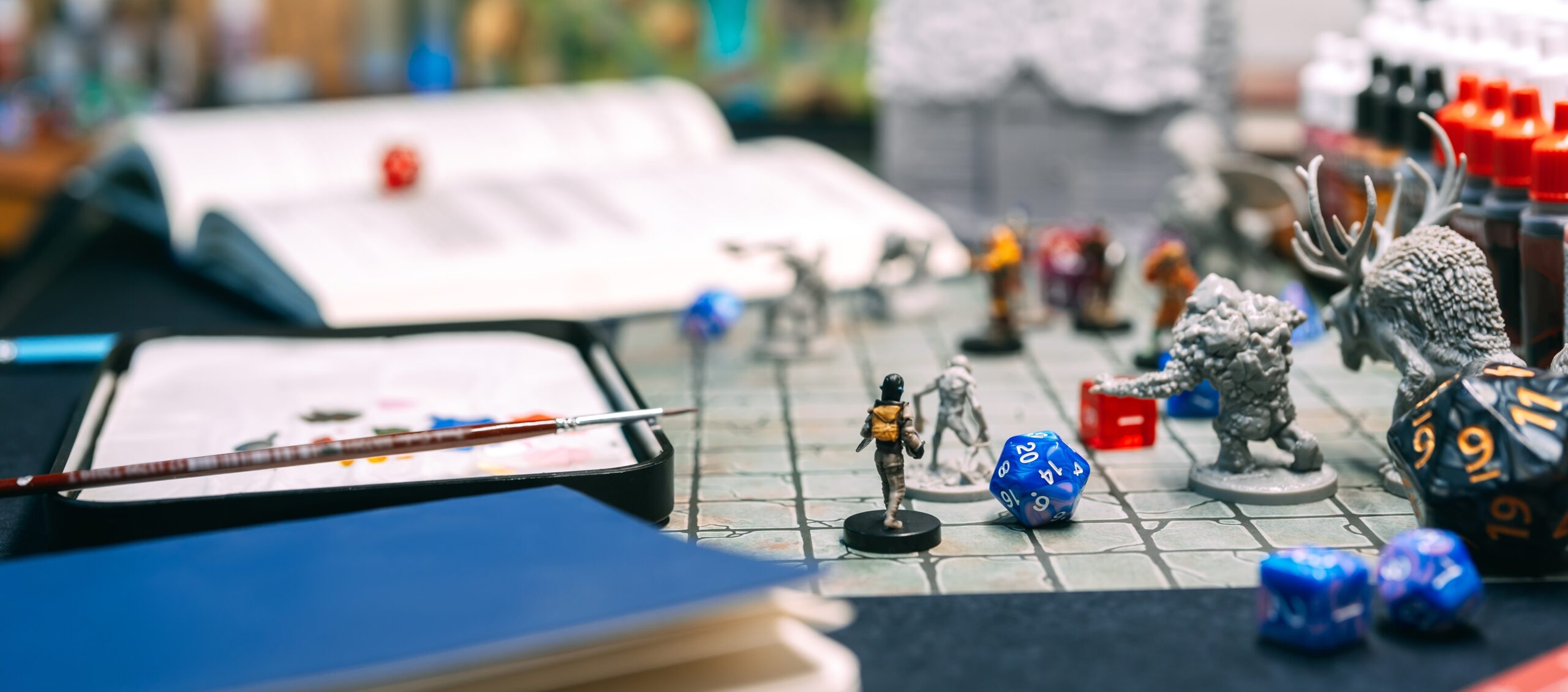
Welcome to the whimsical world of dragons, dungeons, and daring adventures! If you’ve ever fancied stepping into a realm where your imagination dictates the rules, then Dungeons & Dragons (D&D) is calling your name. At Bomran, we’re passionate about helping enthusiasts explore the gaming world, whether you’re a complete novice or a seasoned player looking to sharpen your skills. From tech-savvy tools to helpful guides, our mission is to make your gaming experience fun, immersive, and unforgettable.
Dungeons & Dragons isn’t just a game – it’s a portal into a universe brimming with creativity, teamwork, and storytelling. For beginners, however, starting a campaign can feel daunting. Which dice do you need? How do you create a character? What’s a Dungeon Master supposed to do? Don’t worry – we’ve got you covered. In this guide, we’ll walk you through everything you need to know to confidently launch your first D&D campaign, with plenty of tips, tricks, and insights from the experts at Bomran. View our full range of D&D products here!
What is Dungeons & Dragons?
Dungeons & Dragons is a tabletop role-playing game (RPG) that has captivated players for decades. First introduced in 1974, D&D has grown into a global phenomenon, celebrated for its intricate storytelling, strategic gameplay, and limitless creativity. At its core, D&D is a collaborative game: one player takes on the role of the Dungeon Master (DM), who designs the world and guides the narrative, while other players create characters that navigate this world.
Unlike traditional board games, D&D doesn’t have a rigid set of rules dictating exactly what players can do. Instead, outcomes are often determined by rolling dice, with the famous D20 system playing a central role. This flexibility encourages creativity, problem-solving, and improvisation, making every campaign unique. Whether you’re battling dragons, exploring ancient ruins, or negotiating with mischievous goblins, D&D allows you to shape your story in ways that are limited only by your imagination.
Exploring D&D Characters
Before you dive into your first campaign, it’s essential to understand the characters that make D&D so compelling. Each player character (PC) has a race, class, background, and abilities that define their skills, personality, and role in the game. Understanding these elements helps you create a character that is both fun to play and integral to the story your group will tell together. The more you invest in your character, the more immersive and rewarding your adventures will feel.
Races
Races in D&D aren’t limited to humans. Elves, dwarves, halflings, tieflings, and more each come with unique traits and lore. For example, elves are typically agile and perceptive, while dwarves are hardy and strong. Choosing a race influences your character’s stats and role in the party, adding depth to your story. Additionally, each race has cultural traits and histories that can inspire creative role-playing and decision-making. Considering your race’s abilities and quirks can also help you anticipate how your character might handle challenges and interact with the world.
Classes
A character’s class determines their abilities, combat style, and magical powers. Common classes include wizard, rogue, fighter, cleric, and bard, each offering a different playstyle. For beginners, it’s helpful to pick a class that matches your preferred approach – whether you enjoy spellcasting, sneaky strategies, or frontline battles. Your class also shapes how you contribute to the party, balancing combat prowess, support skills, and problem-solving abilities. Exploring class synergies with other party members can create dynamic and exciting gameplay experiences.
Backgrounds and Personality
Backgrounds give context to your character’s story, offering skills and traits that enrich role-playing. Are they a noble seeking redemption, a street-smart rogue, or a scholarly wizard? Personality traits, ideals, and flaws further shape how your character interacts with others and the world around them. Backgrounds can also provide plot hooks for the Dungeon Master, opening opportunities for personal quests and character growth. Crafting a detailed personality helps players make consistent choices, deepening immersion and encouraging creative storytelling.
Ability Scores
D&D characters have six core ability scores: Strength, Dexterity, Constitution, Intelligence, Wisdom, and Charisma. These scores affect everything from combat efficiency to social interactions, and understanding them is key to building a balanced and effective character. They also guide how your character approaches challenges, influencing everything from battle tactics to diplomatic negotiations. Players can allocate their scores strategically to highlight strengths, cover weaknesses, or create unique character traits that influence the story in unexpected ways.
By thoughtfully combining race, class, and background, your character becomes more than just a set of stats – they become a living, breathing persona ready to embark on epic adventures. Developing each element carefully allows for deeper role-playing and ensures that every decision your character makes feels meaningful and impactful.
A Beginner’s Guide to Starting Your First Dungeons & Dragons Campaign
Launching your first D&D campaign may seem intimidating, but with the right preparation, it can be an exhilarating experience. Here’s a step-by-step guide to ensure your journey begins smoothly.
Step 1: Gather Your Group
D&D is a social game, so your first step is assembling a group of players. While you can technically play with just one or two participants, a group of four to six players usually provides a balanced dynamic. Make sure your players are committed to regular sessions and open to collaborative storytelling.
Step 2: Choose a Dungeon Master
The Dungeon Master (DM) is the storyteller, referee, and world-builder. As a DM, you’ll guide players through the adventure, create scenarios, and manage rules. Don’t worry if you’re new—many DMs start with pre-written modules, which provide a structured adventure for your first campaign.
Step 3: Decide on a Campaign Type
D&D campaigns can range from short adventures to epic, long-running sagas. For beginners, a short campaign or one-shot adventure is ideal. These sessions are typically completed in a single day or a few weeks and allow players to experience the game without overwhelming complexity.
Step 4: Prepare Your Materials
You’ll need:
- Dice: The essential set includes D4, D6, D8, D10, D12, and D20.
- Character sheets: Printable sheets or digital tools can help track abilities, items, and stats.
- Rulebooks: The Player’s Handbook is the cornerstone guide for rules and character creation.
- Maps and miniatures: Optional, but they add a visual dimension to your adventures.
Step 5: Create Characters
Encourage players to develop their characters before the first session. Consider backstories, motivations, and goals. This preparation makes role-playing smoother and more immersive.
Step 6: Plan Your First Session
Even with pre-written modules, a little planning goes a long way. Outline the starting scenario, key NPCs, and potential plot twists. Remember, D&D thrives on flexibility—be ready to improvise as players make unexpected choices.
Step 7: Set the Scene
The first session sets the tone for your campaign. Introduce the world, establish the stakes, and let players explore their characters’ abilities. Start small, with manageable challenges, before diving into complex story arcs.
Step 8: Encourage Role-Playing
Role-playing is the heart of D&D. Encourage players to speak, act, and make decisions in character. Even simple interactions, like negotiating with a tavern keeper, can become memorable moments that enrich your campaign.
Step 9: Keep Track of Progress
Documenting sessions helps maintain continuity. Notes on NPCs, locations, and plot developments will make future sessions smoother and allow your story to unfold organically.
Step 10: Have Fun!
Above all, remember that D&D is about enjoyment. Mistakes, unexpected outcomes, and quirky moments are part of the fun. Embrace the chaos, laugh at the mishaps, and celebrate the victories.
Starting your first D&D campaign doesn’t have to be intimidating. With preparation, creativity, and the tips above, you can create a memorable adventure that you and your friends will cherish for years.
Bomran’s Top D&D Tips!
At Bomran, we’ve seen countless beginners transform into passionate D&D enthusiasts. Here are our top tips to enhance your gaming experience:
- Start Small
Don’t overwhelm yourself with massive campaigns. Short adventures are easier to manage. Starting with manageable goals helps you focus on storytelling and learning the rules without feeling stressed or rushed. - Embrace Improvisation
Players often surprise you. Roll with it—it makes the story richer. Improvisation can lead to unexpected and memorable moments that make your campaign truly unique. - Use Digital Tools
Platforms like Roll20 or D&D Beyond streamline character management and maps. These tools can also connect you with remote players, making it easier to enjoy D&D even if you’re not in the same room. - Encourage Teamwork
Success in D&D often hinges on collaboration, not individual prowess. Fostering a cooperative environment ensures that all players feel involved and valued, enhancing the overall fun. - Invest in Good Dice
A set of high-quality dice enhances the tactile joy of rolling. Using dice that feel satisfying in your hands can also make every roll more dramatic and exciting. - Read the Rulebook Gradually
Focus on core rules first, then explore advanced mechanics. Taking it step by step prevents information overload and allows you to build confidence as you go. - Balance Combat and Storytelling
Don’t let battles overshadow character development and role-playing. Striking a good balance keeps sessions dynamic and engaging for all types of players. - Listen to Players
Their input can inspire plot twists and enrich the world. Valuing player creativity can transform a good campaign into an unforgettable adventure. - Keep a Session Log
Notes prevent continuity errors and make recalling past events easier. Logs also help track character development and story arcs, ensuring your campaign remains coherent over multiple sessions. - Have Snacks!
A comfortable, fun environment keeps players engaged for longer sessions. Simple comforts like food and drinks can turn a regular gaming session into a social event that everyone looks forward to.
By following these tips, you’ll create a D&D experience that’s both enjoyable and memorable. Remember, the most important thing is to have fun, encourage creativity, and celebrate the unpredictable moments that make tabletop gaming so special. With Bomran’s guidance, your adventures are sure to be epic!
In Conclusion: Embark on Your Adventure Today
Starting your first Dungeons & Dragons campaign is less about perfection and more about creativity, collaboration, and having a blast. Every great adventure begins with a single roll of the dice, and every memorable story starts with characters brought to life by imagination. With the guidance of this beginner’s guide and Bomran’s expert tips, you’re ready to dive into a world of magic, monsters, and endless possibilities. So gather your friends, create your characters, and let your story unfold – your first epic adventure awaits!
FAQs
What age is suitable for Dungeons & Dragons?
D&D is generally suitable for ages 12 and up, but younger players can participate with simplified rules and guidance.
How many players do I need to start a campaign?
A group of four to six players works best, including one Dungeon Master.
Do I need to be good at maths to play D&D?
Not at all! Basic addition and subtraction are sufficient, and dice rolls handle most calculations.
Can I play D&D online?
Yes! Tools like Roll20, Foundry VTT, and D&D Beyond allow remote campaigns.
What’s the role of a Dungeon Master?
The DM creates the world, guides the story, manages NPCs, and enforces rules.
How long does a typical session last?
Sessions often last 2–4 hours, but this can vary depending on your group.
Do I need miniatures to play?
No, miniatures are optional. They help visualise combat but aren’t essential.
How do I choose a character class?
Pick a class that suits your preferred playstyle – combat-heavy, spellcasting, or strategic support.
Can campaigns be one-shot adventures?
Absolutely! One-shots are perfect for beginners and single-session fun.
Is D&D only for fantasy lovers?
While it’s primarily fantasy-based, campaigns can be customised to suit any theme, from sci-fi to mystery.
Ready to embark on your first Dungeons & Dragons adventure? Visit Bomran to explore guides, tips, and resources that will transform you from a beginner to a confident Dungeon Master. Gather your friends, roll the dice, and let your epic journey begin today!

