


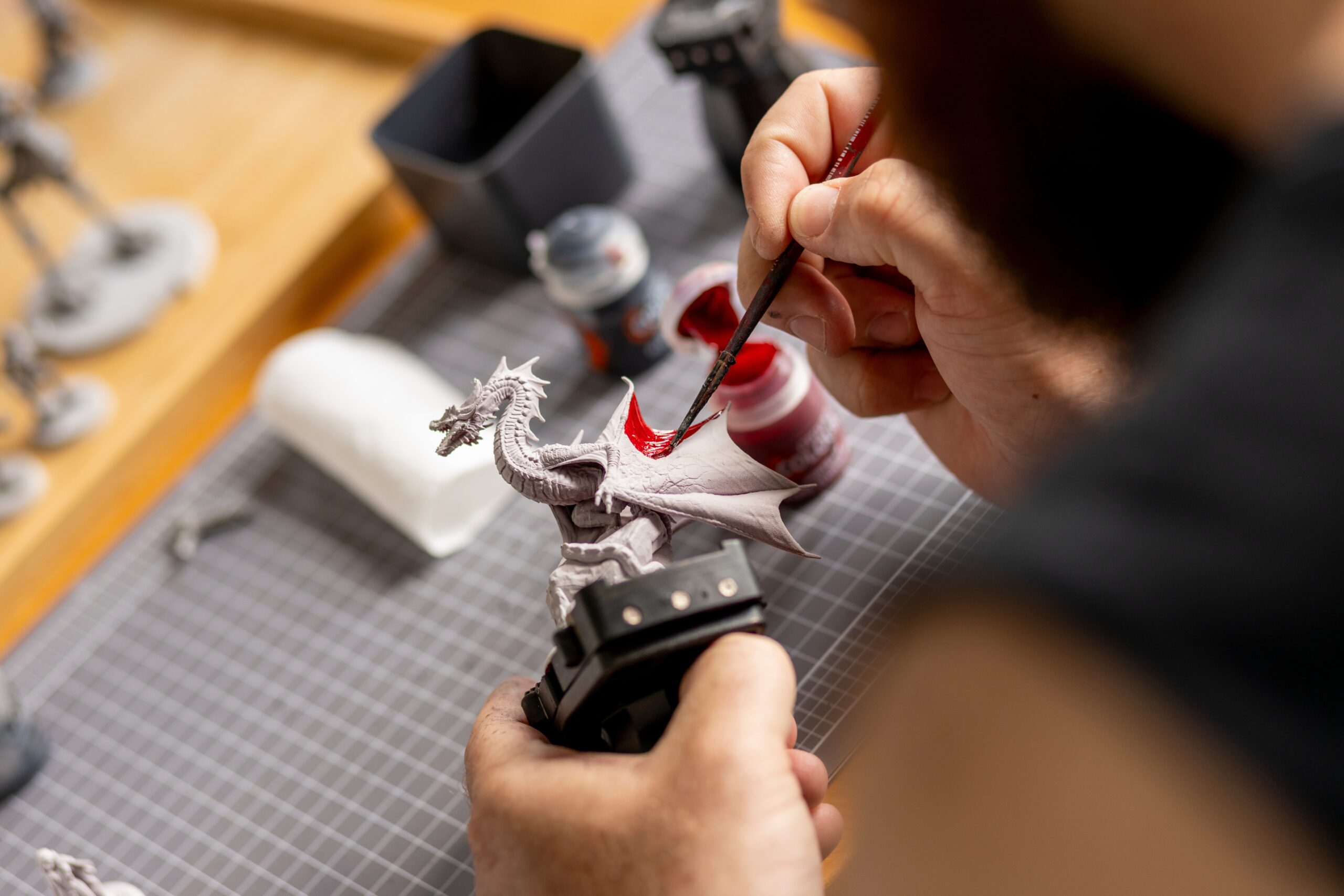
At Bomran, we’re passionate about helping hobbyists, gamers, and miniature enthusiasts get the most out of their creative projects. From carefully crafted models to top-quality paints and tools, we’re committed to providing everything you need to bring your miniatures to life. Whether you’re a complete beginner or an experienced painter looking for tips, our goal is to inspire your creativity and make your hobby as fun and rewarding as possible.
In today’s post, we’re diving into a topic that every miniature painter has faced at some point: mistakes. Painting miniatures is as much an art as it is a hobby, and beginners often stumble over the same common pitfalls. That’s why we’ve put together a guide highlighting the five most common mistakes beginners make when painting miniatures, along with practical solutions to avoid them. By the end of this post, you’ll be ready to tackle your miniatures like a pro and make your models truly stand out. View our full range of products here!
Miniature Painting 101: What It Really Involves
Miniature painting is far more than just slapping some colour onto a tiny model. It’s a careful blend of patience, precision, and creativity. At its core, miniature painting involves taking small, often highly detailed models – ranging from fantasy warriors to sci-fi figures – and bringing them to life with layers of paint, washes, highlights, and finishing touches. The process can transform a plain, unpainted miniature into a striking piece of art that tells a story on its own.
For many, miniature painting starts as a hobby, but it quickly becomes a journey of learning and skill-building. From selecting the right brushes and paints to understanding colour theory and shading techniques, every step matters. The thrill comes from watching your miniature evolve from a simple plastic or metal figure into a vibrant, fully realised character. And while it can be challenging at first, knowing the common mistakes to avoid can save you hours of frustration—and a lot of wasted paint.
Bomran – 5 Common Mistakes Beginners Make When Painting Miniatures (and How to Avoid Them)
Miniature painting is a delightful hobby, but like any craft, it comes with its challenges. Here at Bomran, we’ve seen beginners make the same missteps time and again. Let’s explore these common mistakes and, more importantly, how to avoid them.
1. Skipping the Prep Work
One of the biggest mistakes beginners make is diving straight into painting without properly preparing the miniature. It might be tempting to get started immediately, but neglecting prep work can result in uneven surfaces, peeling paint, and a final model that doesn’t look as polished as it could. Skipping prep often leads to frustration, as you might spend hours painting only to have your colours chip or look uneven. Taking the time to prep also helps you spot small flaws early, giving you the chance to correct them before they become a bigger issue.
How to avoid it: Always start by cleaning your miniatures to remove any mould lines, flash, or debris from the casting process. Lightly sanding rough areas and washing the model with soapy water helps paint adhere better. Don’t forget priming – it’s the single most important step in ensuring your colours pop and your layers stick. At Bomran, we recommend using a high-quality primer suited to your model’s material; it creates a smooth surface and helps prevent peeling. Treat prep work as a form of investment: the time you spend now will save you frustration later and improve your overall results.
2. Using the Wrong Brush Techniques
Beginners often hold their brushes like a pencil and apply paint in heavy strokes, which can lead to clumpy or streaky coverage. Heavy-handed brushwork can obscure fine details, making your miniatures look less defined. It’s easy to think that pressing harder or adding more paint will help, but it usually does the opposite. Learning to control the brush and adjust pressure is what separates an amateur from a painter who consistently achieves clean, crisp results.
How to avoid it: Learn to use a light touch. Thin your paints slightly with water or a dedicated medium so they flow smoothly and don’t mask the miniature’s details. Practice different brush strokes for base coating, layering, and detailing. Investing in a set of quality brushes can make a huge difference – fine detail brushes for highlights and larger brushes for base coats are essential tools for any mini painter. Remember, even the smallest brush stroke can completely change the look of a miniature, so patience and control are key.
3. Ignoring Colour Theory and Planning
Many beginners pick colours impulsively without considering how they complement each other. The result? Models that clash or appear flat despite your best efforts. Colour choice affects mood, theme, and even the storytelling potential of your miniature. Without planning, it’s easy to end up with figures that look chaotic or unbalanced, regardless of your painting skill.
How to avoid it: Take a moment to plan your colour scheme before applying a single stroke. Use a colour wheel to select complementary colours or shades that enhance your miniature’s theme. For example, a heroic knight might look striking in silver and royal blue, while an orc horde benefits from earthy greens and browns. Planning ahead ensures your miniature looks cohesive and visually appealing. A little thought before painting can make your models stand out on the tabletop and give them a professional finish that’s hard to achieve by chance.
4. Overloading the Miniature with Paint
Less is often more in miniature painting. Beginners frequently apply thick coats, believing more paint will improve coverage. In reality, this can obscure sculpted details and make the model look sloppy. Thick paint can also pool in crevices, creating unwanted shadows or uneven surfaces that detract from the final look. Patience and thin layers are essential to ensure clarity and precision.
How to avoid it: Use multiple thin layers instead of a single thick one. Allow each layer to dry before applying the next. This approach not only preserves intricate details but also creates smoother colour transitions. Patience here pays off – your finished miniature will look cleaner and more professional. Think of it like cooking: a slow, careful build-up creates depth and nuance that rushed work simply cannot achieve.
5. Skipping the Finishing Touches
Once the main painting is done, many beginners stop, thinking the job is complete. However, finishing touches like washes, highlights, and varnishes make all the difference, turning a decent miniature into a stunning piece. Without these final steps, miniatures often look flat or lifeless, no matter how good your base coat is. Finishing touches give depth, realism, and polish, helping your figures tell a story on the tabletop.
How to avoid it: Add washes to create shadows and depth, and highlight raised areas to bring out details. Finally, seal your miniature with a matt or gloss varnish to protect your hard work and give it a polished finish. Bomran’s range of Colour Forge spray cans is perfect for this, providing vibrant colours and durable finishes. Taking the time to add these last details ensures that your miniatures not only look amazing but also survive handling during gameplay or display.
Avoiding these common mistakes will dramatically improve your miniature painting results. By preparing your models, mastering brush techniques, planning colours, layering paints carefully, and adding finishing touches, you’ll set yourself on the path to miniature painting success. Remember, every expert painter started as a beginner, so take your time and enjoy the process.
Bomran’s Top Tips for Miniature Painting…
Here at Bomran, we’ve helped countless hobbyists elevate their miniature painting. Beyond avoiding mistakes, these tips will help you paint smarter, not harder:
- Organise Your Workspace
A clutter-free area with good lighting reduces mistakes and eye strain. Use a magnifying lamp for fine details. - Invest in Quality Paints
Cheaper paints may save money, but they can frustrate beginners. Our Colour Forge series offers rich pigments and smooth application. - Practice Dry Brushing
This technique is perfect for bringing out texture on armour, rocks, or clothing. Lightly dip the brush and remove excess paint before sweeping across raised areas. - Keep Brushes Clean
Residue paint stiffens bristles. Rinse and reshape brushes after each session to extend their lifespan. - Experiment with Techniques
Don’t fear washes, glazes, or blending. Miniature painting is about exploration as much as precision. - Use Reference Images
Seeing how colours work in different lighting or contexts can guide your palette choices. - Patience is Key
Avoid rushing. A slow, thoughtful approach always yields better results.
Following these tips will not only improve your miniatures but also make painting a genuinely enjoyable hobby.
Our Best Miniature Painting Products
Bomran offers a range of top-quality paints and tools that make miniature painting a pleasure rather than a chore. Here are some highlights:
Colour Forge Spray Cans
Available in a variety of vibrant matt finishes, from Ashen Grey and Convict Orange to Gauntlet Gold and Imperial Purple. These sprays provide a smooth base or finishing coat that enhances the longevity and appearance of your miniatures.
Matt Varnishes
Perfect for protecting painted miniatures from handling wear and tear while maintaining a natural, non-shiny finish.
Specialist Brushes and Tools
Precision brushes for detailing, blending tools, and hobby knives for prep work ensure your miniatures look perfect.
At Bomran, we understand that the right tools make a huge difference in your creative journey, which is why we stock only the best.
In Conclusion: Bring Your Miniatures to Life with Confidence!
Miniature painting is a journey, not a race. Every painter makes mistakes – what matters is learning from them and improving over time. By avoiding common pitfalls, mastering essential techniques, and using high-quality tools, you’ll transform your miniatures into eye-catching masterpieces.
At Bomran, we’re here to support your creativity every step of the way, offering both expert advice and premium products. Remember: your miniatures are small, but the joy of painting them is enormous. View our full range of miniature painting products here!
FAQs About Miniature Painting
What is the best way to start painting miniatures as a beginner?
Start with basic prep, choose a simple colour scheme, and focus on thin layers of paint.
How do I clean miniatures before painting?
Use soapy water to remove mould release agents and debris, then let them dry completely.
Should I prime my miniatures?
Absolutely! Primer helps paint adhere and enhances colour vibrancy.
How can I prevent paint from obscuring details?
Apply thin layers and allow each to dry before adding more.
What brushes should I use?
A set of fine detail brushes and medium basecoat brushes is ideal.
What are washes, and why should I use them?
Washes add shadows and depth, highlighting the miniature’s details.
How do I protect finished miniatures?
Use a matt or gloss varnish to seal and protect your work.
Can I use spray paints for miniatures?
Yes! Bomran’s Colour Forge spray cans provide excellent coverage and finishes.
How do I plan my colour scheme?
Use complementary colours and reference images to ensure a cohesive look.
How long does it take to paint a miniature?
It varies, but beginners should allow several hours per figure to get a polished result.
Ready to take your miniature painting to the next level? Explore Bomran’s full range of paints, brushes, and tools today and start creating miniatures that truly shine! Visit our shop and bring your hobby to life with Bomran.

