


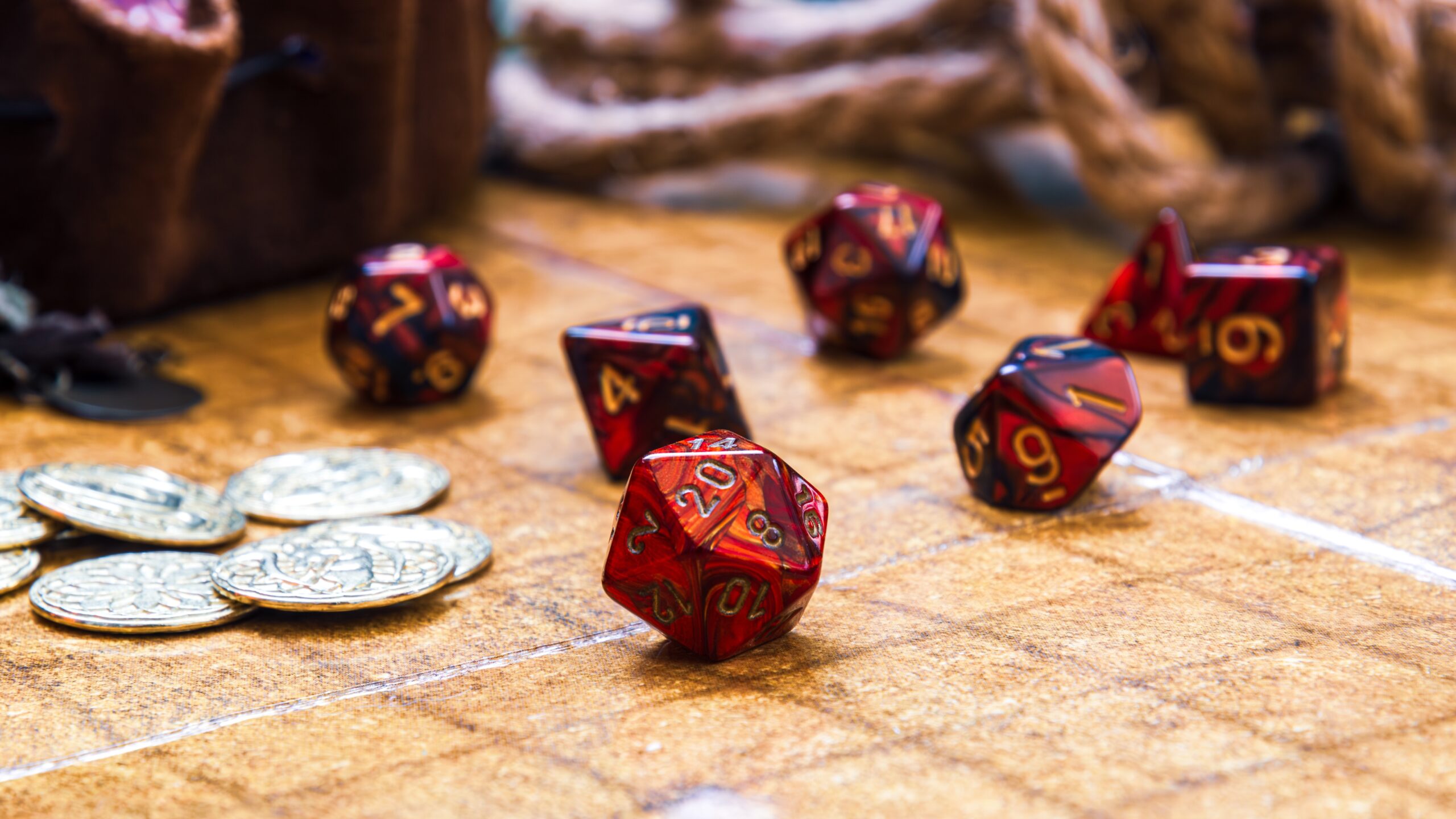
Tabletop role-playing games (RPGs) have captivated imaginations for decades, offering players the chance to embark on epic adventures, solve intricate puzzles and forge lasting friendships. At Bomran, we understand the appeal of these games and are dedicated to enhancing your gaming experiences. Our mission is to provide high-quality resources and tools to help you create the most immersive tabletop RPG sessions possible.
In this guide, we’ll delve into the essence of tabletop RPGs, explore the significance of immersive gameplay, and share practical tips to elevate your sessions. Whether you’re a seasoned game master or a newcomer eager to dive into the world of role-playing, we’ve got insights to enrich your adventures. Visit our website today to see how we can help!
What is a Tabletop RPG?
A tabletop role-playing game is a collaborative storytelling experience where players assume the roles of characters in a fictional setting. Guided by a Game Master (GM) or Dungeon Master (DM), who narrates the world and its events, players describe their characters’ actions, make decisions, and roll dice to determine outcomes. Popular systems like Dungeons & Dragons, Pathfinder and Call of Cthulhu each offer unique rules and settings, but at their core, they all emphasise imagination, strategy and teamwork.
Unlike traditional board games with set objectives, tabletop RPGs offer limitless possibilities driven by player creativity and improvisation. Each session unfolds like an interactive story, where players shape the narrative through their choices, interactions, and problem-solving skills. The DM acts as both storyteller and referee, presenting challenges, controlling non-player characters (NPCs), and adapting the world in response to player actions. Whether exploring a mystical kingdom, investigating a thrilling horror, or navigating political intrigue, tabletop RPGs create dynamic and immersive experiences that evolve uniquely with every playthrough.
How to Create an Immersive Tabletop RPG Experience
Creating an immersive RPG session involves more than just following a rulebook. It’s about crafting a world that feels alive, engaging and responsive to player actions. The best tabletop RPG sessions are the ones where players feel deeply connected to the story, their characters, and the world around them. This level of immersion doesn’t happen by accident – it takes thoughtful preparation, dynamic storytelling and a willingness to adapt to your players’ choices. Here’s how you can achieve that:
Develop a Rich Setting
Start by building a detailed world with its own history, geography, culture and politics. The more fleshed out your setting, the more real it will feel to your players. Consider the environment’s impact on societies, the conflicts that shape nations, and the legends that locals whisper. Resources like The Ultimate Guide to Tabletop RPG Worldbuilding offer comprehensive advice on crafting such settings.
Think about how different regions of your world vary from each other. A bustling port city might be filled with merchants, thieves and exotic spices, while a frozen tundra could be home to isolated tribes and ancient ruins buried beneath the ice. Adding unique customs, folklore, and dialects for different cultures makes your setting feel more authentic. Even small details – such as how a town reacts to outsiders or what kind of food is served at a local tavern – can make a world feel alive.
Once your setting is established, ensure it evolves with the players’ actions. If they overthrow a tyrant, the political landscape should shift. If they accidentally unleash a great evil, the world should bear the consequences. When players see their actions shaping the world, their immersion deepens, and they feel like true heroes (or villains) in an ever-changing narrative.
Create Compelling Non-Player Characters (NPCs)
NPCs are the inhabitants of your world and can significantly enhance immersion. Design characters with distinct personalities, goals and backstories. When players interact with well-developed NPCs, the world feels more authentic and engaging.
Avoid making NPCs one-dimensional. Even minor NPCs can be memorable if they have unique mannerisms or catchphrases. Giving NPCs conflicting goals and personal stakes makes them feel like real people rather than just quest-givers.
Most importantly, NPCs should react realistically to players’ actions. If the party saves a village from bandits, some townsfolk might be grateful, while others may fear revenge attacks. A betrayed ally may not be so quick to forgive, and an enemy who’s shown mercy might return later as an unexpected ally. These layers of complexity make the world feel reactive and immersive.
Incorporate Sensory Details
Engage your players’ senses by describing sights, sounds, smells and textures. For instance, the musty scent of an ancient library or the distant clang of blacksmiths at work can paint vivid mental images. Utilising ambient sounds or background music can further enhance the atmosphere.
Don’t just tell players they enter a marketplace, describe the chatter of traders, the aroma of fresh bread and the shimmer of silk in the afternoon sun. Instead of saying “the cave is dark,” mention the cool dampness of the air, the faint echo of dripping water and the unsettling scurry of unseen creatures. Sensory details make the world feel tangible and real.
Props can also enhance immersion. Handwritten letters, wax-sealed envelopes, and aged maps can make in-game documents feel authentic. Physical objects, such as an old key or a mysterious amulet, can add depth to the game by allowing players to interact with their world in a tactile way.
Encourage Player Agency
Allow players to make meaningful choices that impact the story. When players feel their decisions matter, they’re more invested in the narrative. This means being flexible as a DM and adapting the story based on player actions.
Don’t railroad your players into a single predetermined plot. If they want to solve a problem creatively, by bribing guards instead of fighting them or forging an alliance instead of going to war, let them! The more freedom they have, the more they’ll feel like they’re part of a living world rather than a scripted story.
Consequences should also be a natural result of their decisions. If they anger a noble, they may find themselves unwelcome in court. If they spare an enemy, that person might return later, either to repay the kindness or take revenge. Giving players this level of influence ensures they stay engaged and invested in the unfolding story.
Maintain Narrative Consistency
Ensure that the game’s internal logic remains consistent. If magic works a certain way or a kingdom has specific laws, stick to those rules unless there’s a compelling reason to change them. Consistency helps players suspend disbelief and stay immersed in the game world.
Nothing breaks immersion faster than inconsistencies. If a city is described as heavily guarded, but the players can sneak in without issue, it undermines credibility. If a previously established rule about magic is suddenly ignored, players will notice. Keeping track of your world’s logic makes it feel more like a real place rather than a game with arbitrary rules.
However, consistency doesn’t mean rigidity. If something needs to change, work it into the narrative. Perhaps a powerful artefact alters the nature of magic, or a regime change results in new laws. As long as changes feel like natural progressions rather than mistakes, they can add depth rather than confusion.
Use Visual Aids
Maps, handouts, and props can make the game world more tangible. A well-drawn map can help players visualize their surroundings, while a handwritten letter prop can add authenticity to a plot clue.
Miniatures and terrain can add a layer of realism to battles, making fights feel more strategic and visually engaging. A 3D dungeon layout or a detailed battlefield map can turn an encounter from a simple dice roll into a cinematic moment.
You can also use digital tools like Roll20, Foundry VTT, or Inkarnate to create custom maps and handouts. Even something as simple as using character portraits for major NPCs can help players remember who they’re interacting with.
Pace the Story Effectively
Balance moments of tension with periods of relief. Too much action can overwhelm, while too little can bore. Varying the pacing keeps players engaged and allows for character development and exploration.
A nonstop dungeon crawl can become exhausting, while too much downtime can make players restless. Instead, switch between fast-paced action sequences and quieter moments where players can interact, strategise or explore.
Don’t be afraid to mix things up. A combat-heavy session might be followed by a political intrigue arc, or a tense mystery could lead into a lighthearted festival where players can relax. This ebb and flow makes the game feel dynamic and well-balanced.
Foster Group Cohesion
Encourage players to develop their characters’ relationships with each other. Strong inter-character dynamics can lead to memorable role-playing moments and a more cohesive story.
Introduce moments where characters can bond, whether it’s during campfire chats, training duels, or personal side quests. Relationships between characters make the story feel personal and give players additional emotional investment.
Conflict between characters can also be interesting, but ensure it’s healthy and doesn’t create real-life tension. Establishing clear communication and expectations within the group helps prevent misunderstandings.
Embrace Improvisation
While preparation is essential, be ready to think on your feet. Players might take the story in unexpected directions, and embracing these moments can lead to some of the most memorable experiences.
If players become obsessed with a throwaway NPC, give them more depth and a bigger role in the story. If they skip an entire planned encounter, don’t force it, adapt instead. Flexibility ensures the game feels natural and reactive rather than overly scripted.
Some of the best moments in RPGs come from unplanned player actions and improvisation. Allow the story to breathe, and don’t be afraid to follow where the players lead.
Reflect & Iterate
After sessions, gather feedback from your players. Discuss what worked, what didn’t, and how the experience can be improved. Continuous improvement ensures that each session is better than the last.
Encourage open discussion about pacing, story direction, and player satisfaction. Small tweaks can dramatically enhance immersion and engagement.
By focusing on these aspects, you can create a tabletop RPG experience that captivates and engages your players, making each session a memorable adventure.
Step Into Your Own Epic Tale
Immersive storytelling is what transforms a tabletop RPG from a simple game into a legendary adventure. By focusing on rich worldbuilding, sensory details, player agency, and dynamic storytelling techniques, you can craft experiences that will be remembered for years to come. Whether you’re slaying dragons, solving arcane mysteries, or navigating intergalactic diplomacy, the key to immersion lies in making every session feel like a living, breathing story.
At Bomran, we’re here to help you take your RPG sessions to the next level. Whether it’s through our detailed miniatures, custom terrain, or expert storytelling resources, we’re committed to ensuring your campaigns are as immersive as possible.
So, gather your party, sharpen your swords, and prepare your spells, it’s time to create your most unforgettable RPG adventure yet. Visit our website today to see how we can help!
FAQs
What makes a tabletop RPG different from board games?
Tabletop RPGs focus on storytelling, player choices, and role-playing, whereas board games usually have fixed rules and objectives. RPGs are dynamic and shaped by the creativity of the players and the game master.
How can I make my RPG campaign more immersive?
Use detailed worldbuilding, sensory descriptions, NPC depth, and interactive elements like props, sound effects, and maps to enhance immersion.
Do I need to follow the rules strictly in a tabletop RPG?
Not necessarily! The rules serve as a guide, but storytelling and player enjoyment should come first. Many game masters modify rules to fit the needs of their group.
What is the best RPG system for beginners?
Dungeons & Dragons is a great starting point due to its structured rules, community support, and accessible resources.
How do I balance combat and roleplay in a session?
Find a balance that suits your group. Some players love combat-heavy games, while others prefer more roleplay. Communicate with your group to determine their preferences.
Your Next Adventure Starts Now!
Ready to create an unforgettable tabletop RPG experience? Whether you’re a new adventurer or a seasoned game master, Bomran has everything you need to bring your world to life. Visit our website to take your campaign to the next level.

